How it is made
Making beer is a centuries-old craft, but making beer that tastes like beer without the alcohol is a much newer puzzle. Alcohol does a lot of quiet work in a glass. It carries aroma, builds body, mellows bitterness, and balances sweetness. Take it away and the whole thing falls apart unless the brewer plans for it. The good news is that brewers have figured out a handful of clever ways to do exactly that, and most modern non-alcoholic beers use one or more of the methods below.
Limited fermentation #
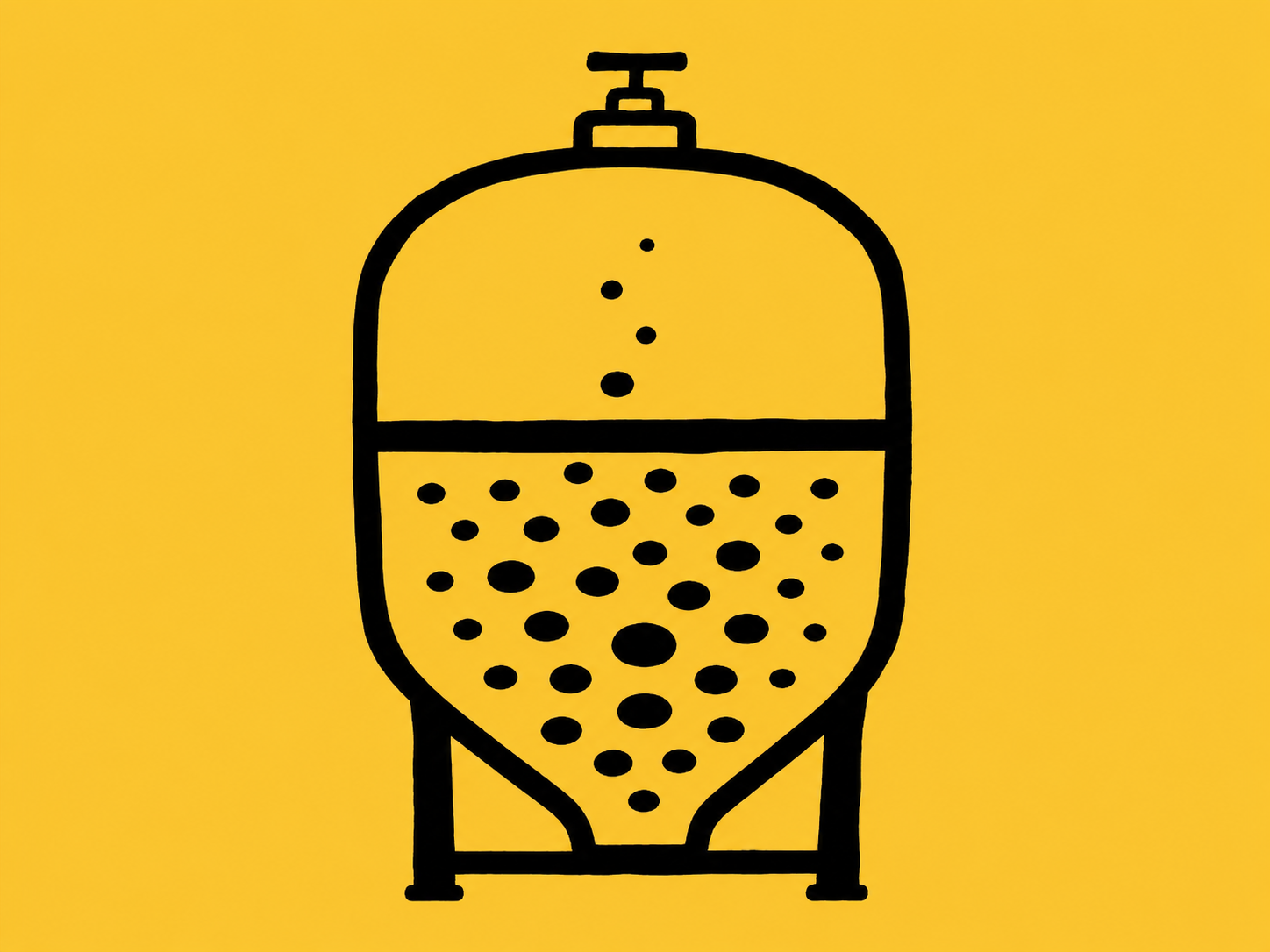
The simplest and oldest approach. Brewers stop the yeast before it has had a chance to convert much of the sugar into alcohol, either by chilling it down, removing it physically, or starving it of the right conditions. The result is a wort that still tastes like beer but never crosses 0.5% ABV.
What you'll notice in the glass is a fuller body and a noticeable sweetness, because the unfermented sugars never get converted. Some of the earliest mass-market non-alcoholic lagers used this approach, and you can sometimes still taste the wort character in less well-made examples. Erdinger Weissbrau and Guinness Kaliber are classic examples of the technique, and when done carefully it produces a clean, malt-forward beer that holds up well.
Special yeasts #
Some yeasts simply can't ferment all the sugars in beer. Saccharomyces ludwigii, for instance, can metabolize glucose and fructose but leaves maltose largely alone, which is the dominant sugar in wort. Pichia kluyveri does even less, but contributes lovely tropical fruit aromas as a side effect. The result is a beer that ferments naturally and produces real beer flavor, but never gets above the 0.5% threshold.
This is the territory of a lot of the best modern craft non-alcoholic IPAs, including Lagunitas IPNA and Wellbeing's Intentional IPA. The yeast strains are precious and not always commercially available, which is part of the reason these beers cost what they do.
Vacuum distillation #
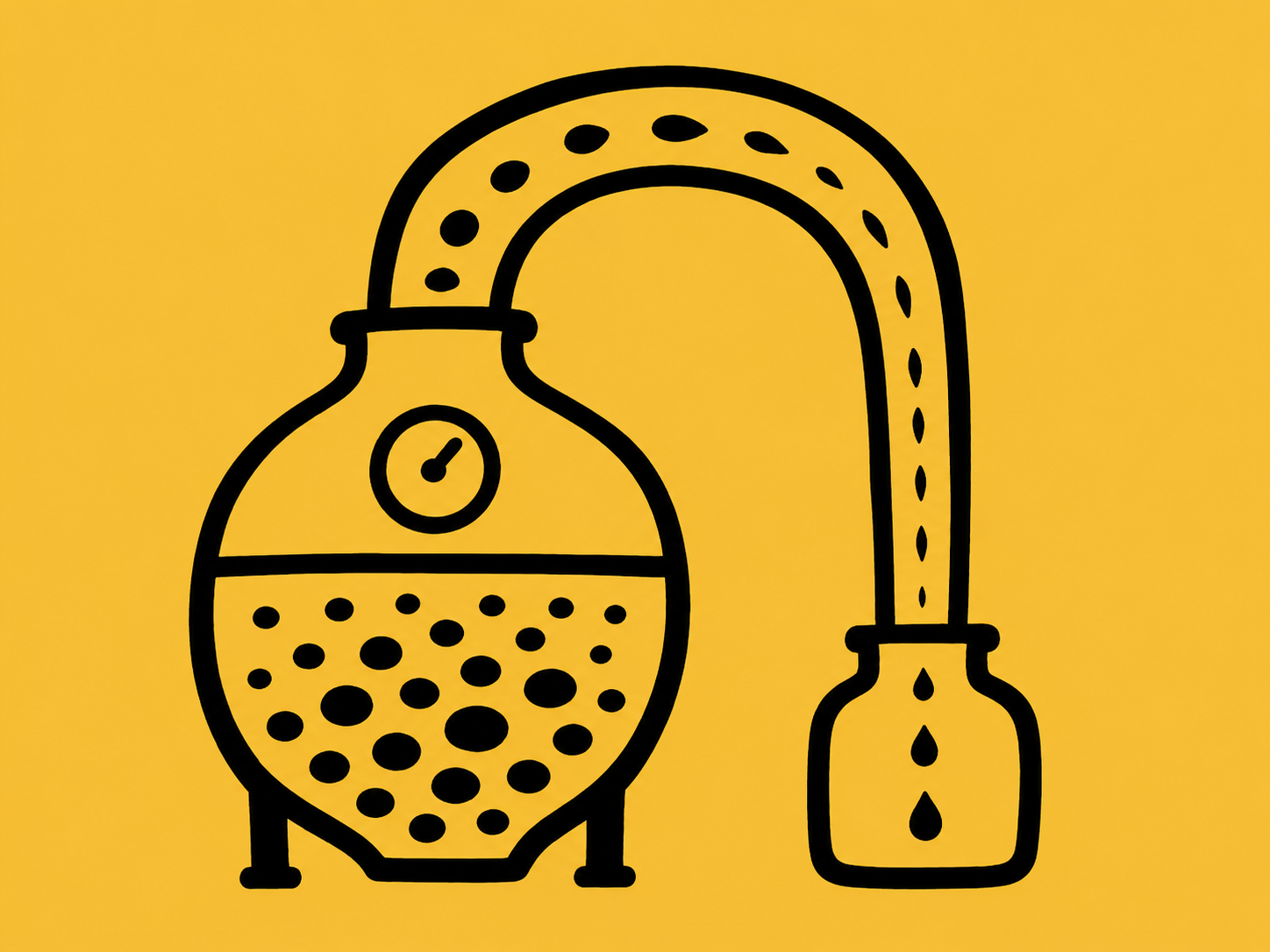
Distillation usually means boiling, and boiling is the enemy of beer flavor. Heat drives off the delicate aromas that make a hop-forward beer taste alive. The clever fix is to lower the pressure inside a sealed tank, which lowers the boiling point of alcohol from around 78°C down to 35°C or so. The alcohol gently evaporates while the rest of the beer barely notices.
It's an expensive process that requires specialized equipment, but it's how a number of European breweries make their best non-alcoholic versions of existing beers. Heineken Zero leans heavily on a gentle dealcoholization process of this kind, and Mikkeller has used distillation for several of their non-alcoholic releases. If you've ever had a non-alcoholic IPA that tastes shockingly close to its full-strength sibling, there's a good chance vacuum distillation was involved.
Reverse osmosis #
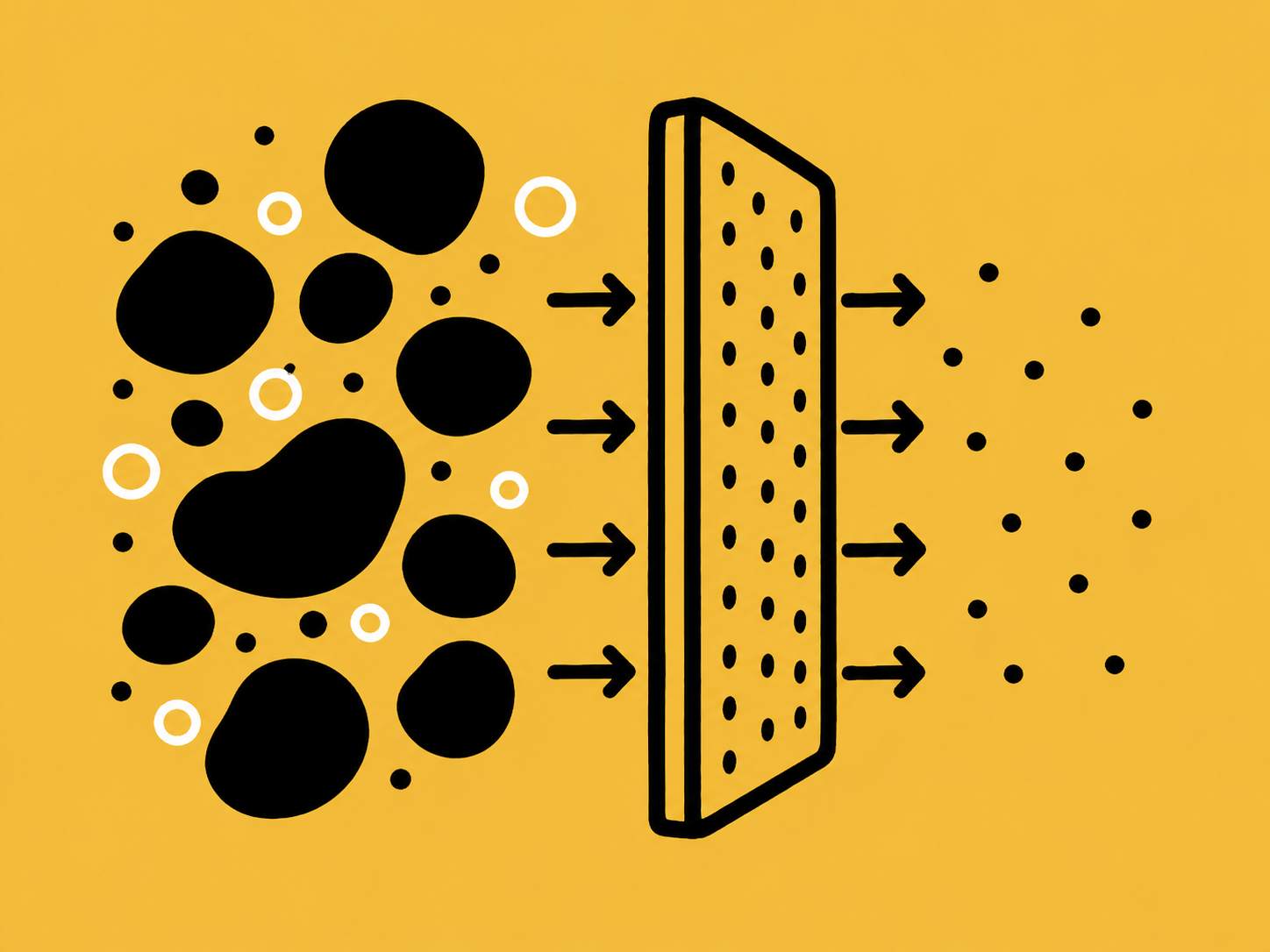
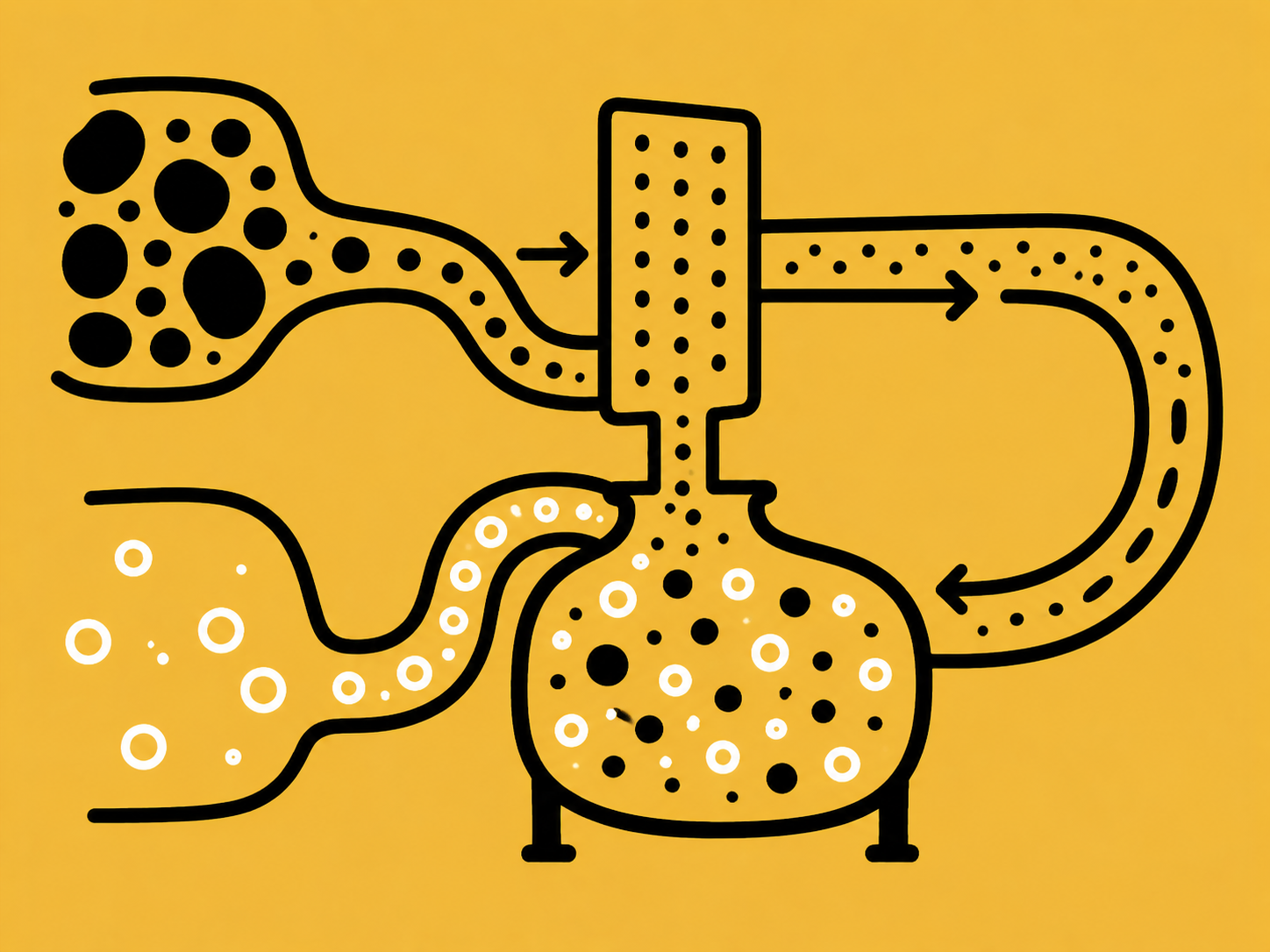
This one borrows from the world of water purification. The fully brewed beer is pushed under high pressure through a very fine membrane that separates the alcohol and water from the larger flavor compounds. The flavor side stays put, the alcohol side gets removed, and the two are recombined with fresh water to rebuild the beer.
The advantage is preservation: the original beer's character largely survives the process. The downside is that it's slow and capital-intensive, and the rebuilt beer can sometimes feel a touch thinner than the original. Sierra Nevada Trail Pass and BrewDog Punk AF are good places to taste what reverse osmosis can deliver when it's done well.
Dilution #
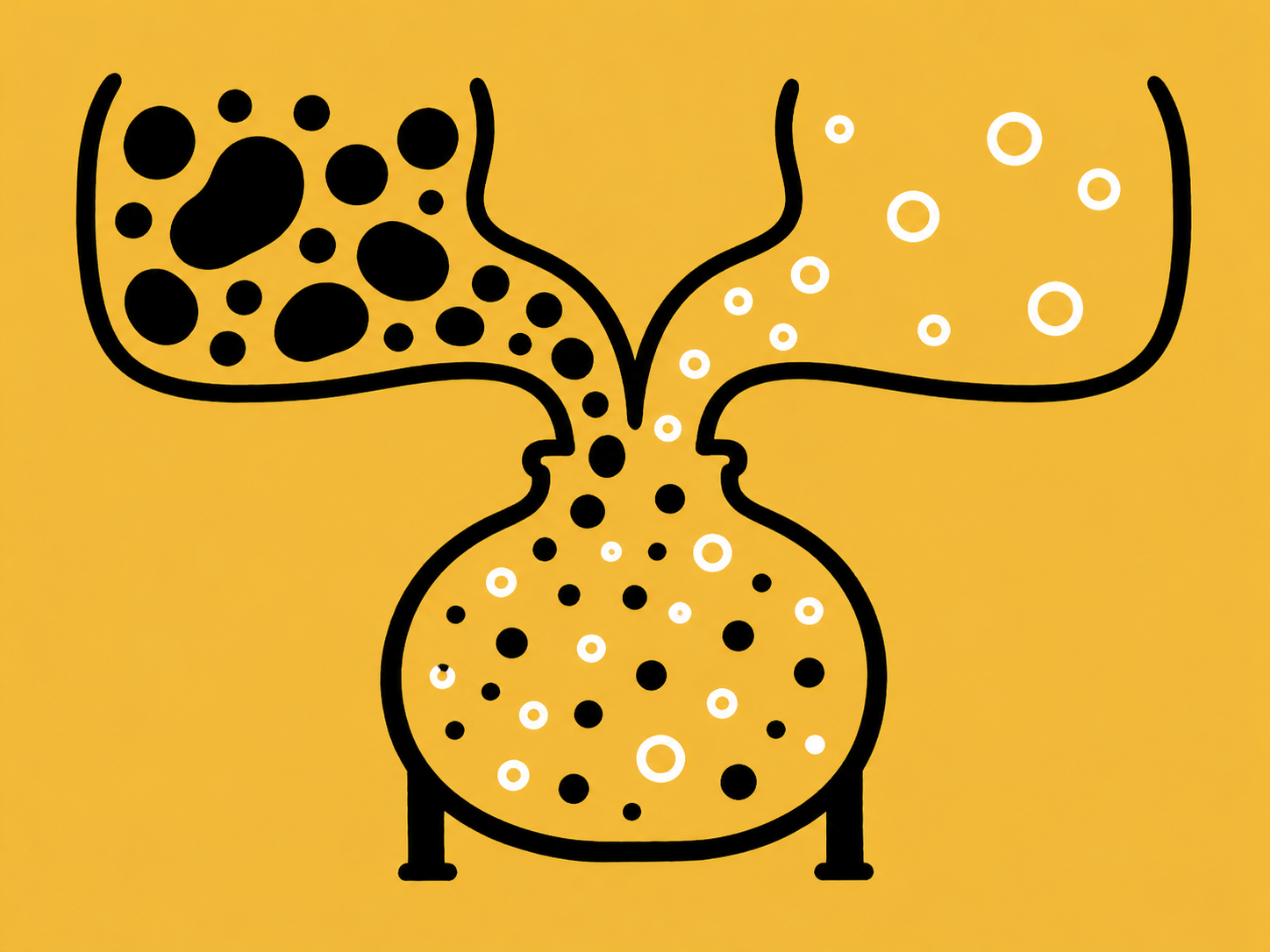
The simplest approach by a long way. Brew a strong beer, then water it down until it dips below 0.5% ABV. You almost never see this used on its own because the result tends to be thin and unsatisfying. It does sometimes show up as a final tweak alongside one of the other methods, especially when a brewer overshoots on alcohol after distillation and needs to bring the number down.
Hybrid approaches #
Most modern craft non-alcoholic brewers don't pick one method and stop there. They combine techniques, often pairing a low-ABV fermentation with a special yeast, then making small adjustments at the end to land on the right flavor profile. The lineup from Athletic Brewing is the canonical example: a proprietary process that controls fermentation through carefully chosen yeasts and ingredients, without ever removing alcohol after the fact. The exact recipe is often a closely guarded secret, and the best examples are usually a thoughtful blend rather than a single technique.
What it means at the bar #
Once you know the methods, the differences in the glass start to make sense. A sweet, malty, slightly wort-forward non-alcoholic lager? Probably arrested fermentation. A clean, hop-aromatic IPA that tastes like a real IPA? Likely a special yeast or vacuum distillation. A polished, true-to-the-original take on a well-known beer? Probably reverse osmosis. There is no right answer, and great beers come from each approach. The point is that someone, somewhere, made a choice, and that choice is part of what you're tasting.
If you want to dig further, take a look at the reviews and watch for hints about how each one was made. The more you taste, the easier the patterns become to spot.